
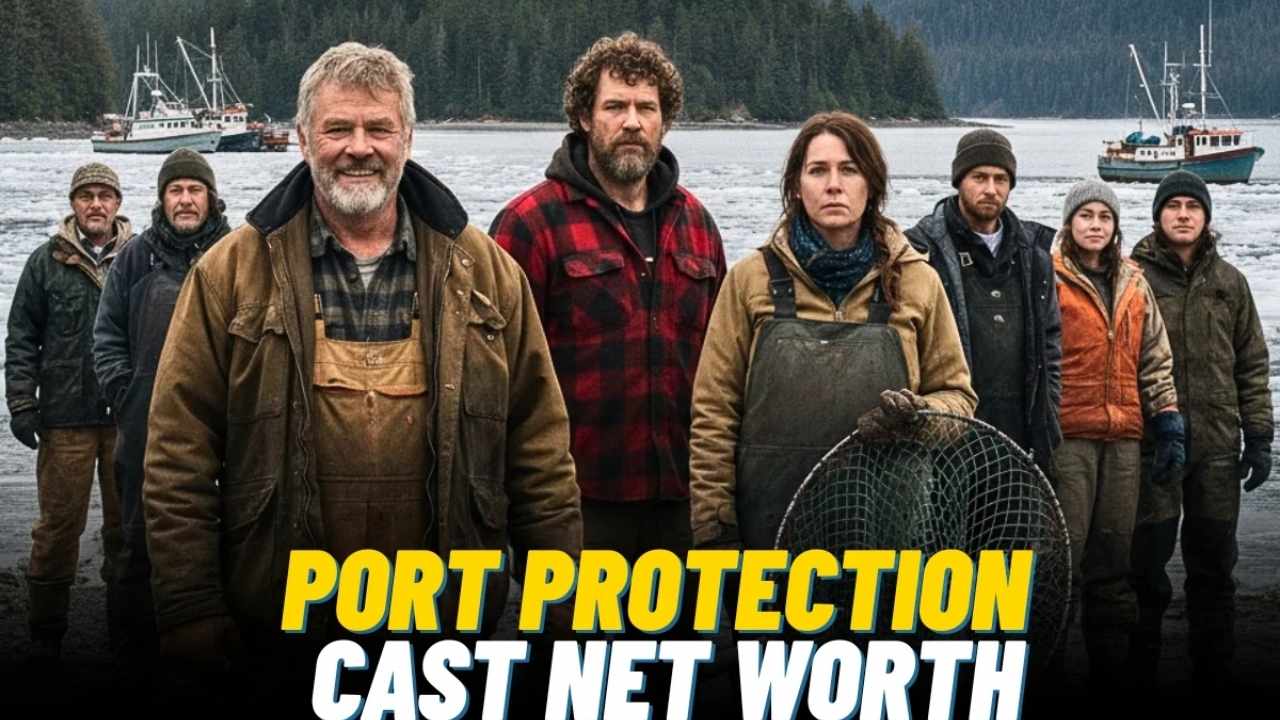
The Port Protection cast has captured attention not for luxury, but for their off-grid lifestyle on Prince of Wales Island, Alaska. Fans are curious about their net worth in 2025, combining TV salaries, survival skills, and self-sufficient living. Unlike urban reality stars, their wealth comes from both cash earnings and subsistence activities like hunting, fishing, and local trade.
Estimating Port Protection cast net worth requires looking beyond dollars. Members like Gary Muehlberger, Sam Carlson, and Mary Miller earn from per-episode payments, guide services, and Alaska tourism. Their off-grid lifestyle reduces expenses while building long-term financial resilience, showing that true wealth in Alaska is measured in both money and survival skills.
Introduction to the Port Protection Cast’s Net Worth
The cast of Port Protection lives in one of the most remote corners of Southeast Alaska on Prince of Wales Island, where survival skills matter more than traditional wealth. Unlike urban reality TV stars, their net worth cannot be measured solely in dollars, as much of their financial stability comes from subsistence living—hunting, fishing, and living off the land. This unique lifestyle reduces household expenses significantly and forms a major part of their overall wealth.
Fans often wonder how the cast can maintain a financially stable lifestyle in such an isolated location. While each member earns an estimated $4,500 per episode, their real “income” is amplified by the value of food and resources they harvest themselves. By catching halibut, king salmon, coho salmon, and lingcod, and repairing boats and smokehouses, they effectively eliminate many living costs that urban families face, giving a more comprehensive view of their net worth.
Beyond the tangible dollar value, the Port Protection cast’s net worth includes skills, experience, and long-term self-sufficiency. Their ability to live off-grid, operate guide services, and maintain sustainable livelihoods adds a non-cash component to their wealth. This holistic approach to financial stability makes them unique among reality TV personalities and offers fans an intriguing look at how alternative lifestyles influence net worth.
How Reality TV Stars Build Their Net Worth
Reality TV stars generally build net worth through multiple channels, such as cast salaries, show royalties, social media influence, sponsored content, and merchandise deals. In urban shows, this often translates into high per-episode payments and luxurious lifestyles. However, for off-grid reality stars like the Port Protection cast, traditional cash earnings are only a part of the financial picture, and they supplement their income through resource-based living.
For the Port Protection cast, income comes from a combination of TV salaries, local guide work, survival workshops, and fishing tourism. These supplemental income streams are crucial in an environment where conventional employment opportunities are limited. The cast leverages their expertise in hunting, boat repair, and wilderness survival to generate value both in cash and in savings from subsistence living, which enhances their overall financial stability.
Long-term net worth growth also depends on show popularity and exposure. Platforms like National Geographic Channel and YouTube expand their visibility, potentially increasing opportunities for additional revenue, sponsorships, or guest appearances. In essence, building net worth for the Port Protection cast is a hybrid model, blending media income with off-grid survival skills and local economic participation, which ensures both immediate income and long-term financial resilience.
Key Factors Affecting the Port Protection Cast’s Net Worth
Several unique factors influence the Port Protection cast net worth, reflecting their off-grid lifestyle and reality TV involvement. One major factor is subsistence living, which dramatically reduces household expenses. By hunting, fishing, and maintaining their own food supply, cast members avoid costs that would otherwise significantly impact their net worth if they lived in urban areas.
Another factor is limited commercial opportunities. The remote location means fewer chances for sponsorships, high-paying appearances, or merchandise deals compared to mainstream reality stars. While per-episode salaries provide a foundation, the cast relies heavily on alternative income sources like guide services, survival workshops, and local tourism. Their financial model emphasizes sustainability over luxury, which influences the total net worth estimation.
Finally, long-term financial resilience plays a critical role. Skills in mechanical work, boat repair, hunting, and wilderness survival act as a form of non-cash wealth that supports day-to-day life and reduces reliance on cash. Combined with steady TV income, these factors ensure that the cast’s net worth grows steadily, not just in dollars but in overall value derived from a resourceful, self-sufficient lifestyle.
Estimated Port Protection Cast Net Worth in 2026
Estimating the Port Protection cast net worth in 2026 requires combining TV earnings, local income, and subsistence-based savings. Each member is believed to earn roughly $4,500 per episode, with cumulative earnings increasing over multiple seasons. While this cash income is modest compared to urban reality stars, it forms a stable financial foundation for off-grid living.
In addition to salaries, savings from subsistence living significantly enhance their net worth. By catching halibut, king salmon, coho salmon, and lingcod, and repairing boats and smokehouses themselves, cast members reduce food and maintenance expenses. These savings translate into effective wealth accumulation that is often overlooked in traditional net worth calculations.
Finally, supplemental income from guide services, Alaska tourism, and survival workshops further strengthens financial stability. Members such as Gary Muehlberger, Sam Carlson, Mary Miller, Timothy “Curly” Leach, and Litzi Botello combine cash income with resource-based wealth, creating a hybrid model of financial resilience. Their 2026 net worth reflects both conventional earnings and the substantial value of their survival-based, off-grid lifestyle.
Individual Net Worth of Port Protection Cast Members (2026 Estimates)
Below is a breakdown of estimated net worth for each Port Protection cast member in 2026, combining reality TV earnings, local income sources, and savings from subsistence living. These figures reflect both financial and non-cash wealth accumulation, showing how off-grid living contributes to long-term financial resilience.
Gary Muehlberger
Gary remains one of the most experienced cast members, renowned for his mechanical skills, boat repair expertise, and hunting abilities. In 2026, his estimated net worth combines per-episode salary, cumulative show earnings, and the value derived from subsistence living, placing him in the range of $125,000–$155,000. His off-grid lifestyle continues to significantly reduce household expenses and strengthen long-term financial stability.
Gary also supplements his income through local guide services, fishing tourism, and seasonal work in Southeast Alaska. His ability to repair boats and maintain equipment without external help adds further non-cash value, emphasizing that his wealth is as much about self-sufficiency as it is about cash.
Sam Carlson
Sam’s financial standing in 2026 benefits from TV income, local guide work, and fishing-based revenue, particularly from coho and king salmon in Prince of Wales Island waters. His subsistence lifestyle and outdoor expertise contribute to a stable estimated net worth of $105,000–$135,000.
In addition to TV earnings, Sam earns supplemental income by leading guided fishing trips and teaching wilderness survival skills. These activities, combined with the cost savings from hunting and fishing, make his 2026 wealth a mix of traditional and non-cash assets, highlighting the subsistence-based economic model of Port Protection.
Mary Miller
Mary continues to combine TV show compensation, Alaska tourism engagement, and traditional homesteading skills. By 2026, her estimated net worth stands at $95,000–$125,000, reflecting both cash earnings and the reduced expenses from self-sufficient living.
Mary’s approach to wealth includes harvesting fish, maintaining a small homestead, and running local survival workshops. These efforts reduce reliance on commercial goods and enhance her overall financial stability, demonstrating how a minimalist, resourceful lifestyle translates into measurable net worth.
Timothy “Curly” Leach
Curly’s expertise in mechanical work, boat repair, and wilderness survival supports both income generation and cost reduction. His 2026 estimated net worth ranges between $100,000–$130,000, reflecting a combination of TV salaries and savings from subsistence living.
Revenue streams such as guide services, seasonal fishing, and survival training workshops complement his on-screen earnings. Curly’s practical skills continue to provide non-cash wealth that enhances financial resilience, showing how off-grid abilities directly impact net worth.
Litzi Botello
Litzi leverages reality TV exposure, Alaska guide services, and off-grid skills to maintain financial stability. By 2026, her estimated net worth is $90,000–$120,000, strengthened by minimalist living, hunting, and fishing expertise.
She continues to benefit from cost savings through self-sufficient practices while supplementing income with tourism and survival-focused workshops. Litzi’s wealth demonstrates how combining cash income with skill-based and subsistence value creates a sustainable and long-term financial model.
These 2026 individual net worth estimates illustrate how the Port Protection cast blends conventional reality TV earnings with survival-based financial strategies, a unique subsistence economic model rarely seen in other reality TV series like Life Below Zero.
Historical Financial Background of the Cast
Before joining the show, many Port Protection cast members relied on traditional survival skills and off-grid living for income. Individuals like Gary Muehlberger, Sam Carlson, and Timothy “Curly” Leach earned money through mechanical work, fishing, and local guide services, creating a subsistence-based economic foundation long before the cameras arrived. These early experiences helped shape the cast’s approach to wealth and financial independence.
Living in one of the most remote parts of Southeast Alaska meant that most residents developed non-cash forms of wealth, including food security, tools, and survival expertise. By hunting, fishing, and preserving their own resources, cast members were able to reduce expenses significantly, making cash earnings only one component of their overall net worth.
Compared to urban reality TV stars or even other Alaska-based shows like Life Below Zero, the Port Protection cast’s pre-show financial background emphasizes practical skills over assets or investments. Their long-standing off-grid knowledge contributes to a form of wealth that continues to supplement TV earnings and sustain financial resilience in 2026.
Impact of Port Protection’s Success on Cast Earnings
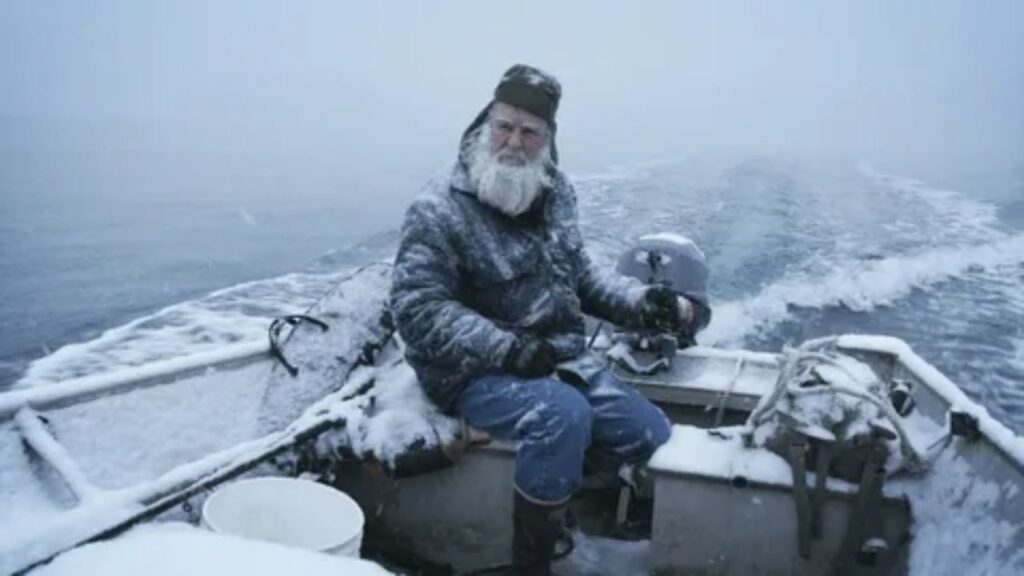
The popularity of the Port Protection TV series has significantly enhanced the financial opportunities for its cast. With seasons airing on National Geographic Channel, YouTube, and outdoor streaming platforms, exposure has grown, opening doors for additional income streams beyond per-episode salaries.
As the show continues to attract viewers, cast members like Gary, Sam, and Litzi can leverage their fame for guide services, survival workshops, and Alaska tourism ventures. This combination of media exposure and practical skills increases their cumulative earnings while reinforcing the value of their off-grid lifestyle.
Long-running series success also provides stability in negotiations for future seasons and potential spin-offs. By maintaining a consistent presence on the show, cast members can secure higher per-episode salaries, recurring contracts, and supplemental revenue, creating a sustainable financial model that balances cash and non-cash wealth.
Earnings vs. Subsistence Living: Understanding Their Financial Philosophy
The Port Protection cast follows a unique financial philosophy where wealth is measured not only in dollars but also in survival skills, self-sufficiency, and reduced living costs. Hunting, fishing, and maintaining boats or smokehouses significantly lower expenses, effectively increasing disposable income without relying solely on cash.
Unlike urban reality stars, whose net worth is often tied to material possessions and high salaries, the Port Protection cast prioritizes off-grid living and resourcefulness. Their financial stability comes from blending TV earnings with practical, self-sustaining strategies that ensure long-term security.
This philosophy demonstrates that non-traditional wealth, such as food provision, mechanical skills, and wilderness expertise, can be just as valuable as cash income. It highlights how living off the land contributes to both immediate financial savings and long-term net worth growth.
How Much Does the Port Protection Cast Make Annually?
The annual earnings of Port Protection cast members combine TV income, local guide work, and subsistence-based savings. Each member is estimated to earn around $4,500 per episode, with total annual income depending on the number of episodes and seasons filmed.
Supplemental revenue streams further boost annual earnings. Cast members often run wilderness workshops, guided fishing trips, and tourism services, which provide consistent cash flow while also utilizing their off-grid skills to reduce expenses.
When factoring in cost savings from subsistence living like hunting king salmon, halibut, and coho salmon—the cast’s effective annual wealth increases significantly. This blended model demonstrates how survival-based practices directly contribute to overall financial stability in a remote environment.
Ways People Earn Money in Port Protection, Alaska
Earning money in Port Protection goes beyond traditional employment. Cast members combine TV salaries, fishing-based income, guide services, and seasonal tourism to sustain their off-grid lifestyle. These multiple income streams allow for a balanced financial model that supports both cash flow and resource-based wealth.
Fishing plays a major role in local income, as catching and selling species like halibut, king salmon, and coho salmon adds to earnings. Additionally, offering wilderness survival workshops and outdoor guiding services allows cast members to monetize their skills while educating visitors about life in remote Alaska.
Even without cash income, subsistence living itself acts as a financial resource. Hunting, fishing, mechanical work, and food preservation reduce expenses and increase net worth, highlighting how the Port Protection community has developed a hybrid economic system where cash earnings and non-cash wealth work together.
Port Protection Net Worth vs. Urban Reality TV Stars
When comparing the Port Protection cast to urban reality TV stars, the difference in net worth structure is striking. Urban stars often rely heavily on high per-episode salaries, endorsements, and social media revenue, whereas Port Protection cast members rely on a mix of moderate TV income and off-grid resourcefulness.
Living costs also play a significant role. While urban stars face high expenses for housing, transportation, and lifestyle maintenance, Port Protection cast members reduce costs through subsistence living, harvesting their own food, and maintaining their own equipment. This allows them to maintain financial stability even with smaller nominal incomes.
Finally, non-cash wealth distinguishes the cast from their city-based counterparts. Skills in hunting, fishing, mechanical repairs, and survival techniques add tangible value to their lives, creating long-term financial resilience that conventional wealth metrics often overlook. This hybrid approach to net worth illustrates how lifestyle and skill-based wealth can rival cash-based urban earnings.
👉🏻Discover More About Popular celebrity[ Stephanie Pomboy Age, Net Worth & Husband Revealed ]
Frequently Asked Questions
How much do Port Protection cast members earn?
Each cast member earns an estimated $4,500 per episode, with total annual income depending on the number of episodes per season. Their earnings are supplemented by local guide work, fishing-based income, wilderness survival workshops, and Alaska tourism. Additionally, subsistence living hunting, fishing, and self-sufficiency reduces expenses, effectively increasing their overall financial stability.
What happened to Gary Muehlberger?
Gary Muehlberger remains an active and beloved member of the Port Protection cast. Known for his mechanical skills, boat repair expertise, and survival abilities, he continues to contribute both on-screen and through off-grid activities. His role highlights the importance of traditional skills in maintaining both the community and his own long-term financial resilience.
Did Amanda Makar leave the show?
Yes, Amanda Makar left the series to pursue other off-grid ventures and personal opportunities in Alaska. Her departure reflects the flexibility and independent lifestyle of Port Protection residents, where personal choice and survival priorities often guide decisions more than mainstream reality TV expectations.
Did Troy sell his house on Port Protection?
Some cast members, including Troy, have made changes to their property holdings, often influenced by off-grid living needs rather than real estate profit. Selling or modifying property in Port Protection is typically tied to practical considerations, such as ease of living, sustainability, or relocation for survival-based reasons.
What is the Kilcher family’s net worth?
The Kilcher family, known from Alaska homesteading and survival media exposure, has a net worth that combines TV show income, self-sufficiency, and survival skills. While their fame on Life Below Zero adds financial visibility, their wealth largely reflects off-grid living and resourcefulness, similar to the Port Protection cast, rather than traditional urban earnings.
Conclusion
The Port Protection cast net worth in 2025 reflects a unique blend of TV earnings, local income, and subsistence living. By hunting, fishing, and running guide services, cast members like Gary Muehlberger and Litzi Botello reduce expenses while increasing financial stability. Their wealth is not just cash it includes skills, self-sufficiency, and survival expertise.
Overall, the cast demonstrates that living off-grid in Southeast Alaska creates a sustainable financial model. While their per-episode income may seem modest, subsistence strategies and resourcefulness make their lifestyle resilient. The Port Protection cast proves that true wealth combines money, independence, and survival mastery in one of the most remote regions of the U.S.

Tim is a creative writer with 3 years of experience crafting impactful puns that help content stand out. He specializes in writing short, engaging lines that connect with audiences and add value to every post.